The Grade Appeal
قصة إنجليزية مجانية بالمستوى B2 لمتعلمي اللغات، يمكن قراءتها على الإنترنت بلغات عددها 8، مع إمكانية الاستماع إليها عبر تطبيق Storyteller المجاني.
Dilnoza goes to ask her teacher for a higher mark, but reading the comments line by line changes what she wants from the meeting.
انتهى المقطع التجريبي! استمع إلى القصة كاملة في تطبيق Storyteller المجاني. حمّل التطبيق
الصوت غير متاح الآن.
Dilnoza had rehearsed her speech all the way to the classroom. She had been practicing it since Monday, in the shower, on the bus, even during maths. "I respectfully believe that this essay deserves a higher mark." The B in the corner of the page had been written in green ink, with a small, calm flourish. It looked like a fact, not an opinion.
كانت دلنوزا قد تدربت على خطابها طوال الطريق إلى الفصل. وهي تتدرب عليه منذ يوم الاثنين، في الحمام، وفي الحافلة، وحتى أثناء حصة الرياضيات. «أعتقد، مع كامل الاحترام، أن هذا المقال يستحق درجة أعلى.» كان تقدير «جيد جدًا» مكتوبًا في زاوية الصفحة بحبر أخضر، بزخرفة صغيرة هادئة. وبدا كأنه حقيقة لا رأي.
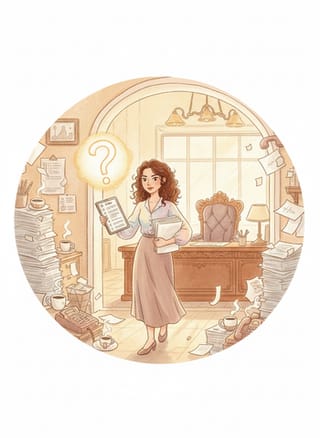
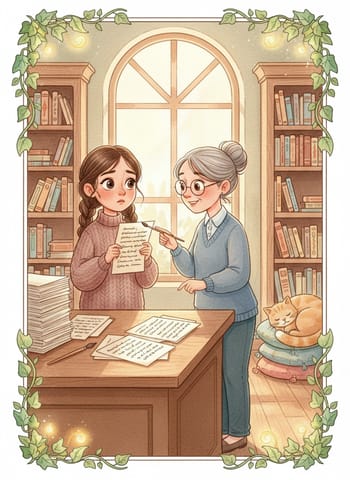
Her teacher was waiting at the desk with the essay already open. "Let's go through it together," she said. "You can stop me whenever you disagree."
كانت معلمتها تنتظر عند المكتب والمقال مفتوح أمامها. «لنراجعه معًا»، قالت. «يمكنك أن توقفيني في أي وقت تختلفين فيه.»
The essay was about whether a city should close its center to cars. Dilnoza had written it in a single night, fueled by tea and certainty, and she had been proud of how quickly the sentences had come. "I thought the argument was strong," she began. "It's clear. It's well written."
كان المقال عن مسألة هل ينبغي لمدينة أن تغلق مركزها أمام السيارات. كتبته دلنوزا في ليلة واحدة، وقودها الشاي واليقين، وقد فخرت بسرعة تدفق الجمل. «ظننت أن الحجة قوية»، بدأت. «إنها واضحة. ومكتوبة بإتقان.»
"It is well written," her teacher agreed. "Let's start with the opening, then." She ran a finger down the first margin note. Where does this statistic come from?
«إنه مكتوب بإتقان فعلًا»، وافقت معلمتها. «لنبدأ بالافتتاحية إذًا.» مررت إصبعها على أول ملاحظة في الهامش، وكان مكتوبًا فيها: من أين جاءت هذه الإحصائية؟
Dilnoza opened her mouth. The figure had come from something she had read, or possibly something someone had said. She couldn't remember. "I think it was an article," she said.
فتحت دلنوزا فمها. كان الرقم قد جاءها من شيء قرأته، أو ربما من شيء قاله أحدهم. لم تستطع أن تتذكر. «أظن أنه كان مقالًا»، قالت.
"You think." The teacher said it gently. "If a reader asked you the same question, what would you tell them?"
«تظنين.» قالتها المعلمة برفق. «لو سألك قارئ السؤال نفسه، فماذا ستقولين له؟»
They moved on. The second paragraph had a note beside a sentence that began "Everybody knows." The third had a bracket around a sentence, with a comment: this contradicts your point in paragraph one. Dilnoza read it twice, then a third time, and felt her ears getting warm.
انتقلتا إلى ما بعده. في الفقرة الثانية ملاحظة بجانب جملة تبدأ بعبارة «الجميع يعلم أن». وفي الثالثة وُضع قوس حول جملة، وبجانبه تعليق: هذا يناقض ما ذكرتِه في الفقرة الأولى. قرأته دلنوزا مرتين، ثم ثالثة، وشعرت بأذنيها تسخنان.
It did contradict it. She could see it clearly now, the way you see the dust on a table once someone has opened the curtains. In the same essay she had argued that shops would suffer and that shops would benefit. She had never noticed, because she had never read it back.
كان يناقضه فعلًا. رأت ذلك بوضوح الآن، كما ترى الغبار على طاولة حين يفتح أحدهم الستائر. ففي المقال نفسه جادلت بأن المتاجر ستتضرر وبأنها ستستفيد. ولم تنتبه إلى ذلك قط، لأنها لم تقرأه بعد كتابته.
"I didn't give you a B for the writing," the teacher said. "The writing is an A. Your sentences are simply ahead of your evidence. That is the gap I marked."
«لم أعطك تقدير جيد جدًا بسبب الكتابة»، قالت المعلمة. «الكتابة ممتازة. جملك فحسب سبقت أدلتك بمراحل. وتلك هي الفجوة التي علمت عليها.»
Dilnoza put the speech away somewhere at the back of her head. "If I rewrote it," she said slowly, "would it be an A?"
وضعت دلنوزا الخطاب جانبًا في مكان ما في مؤخرة رأسها. «لو أعدت كتابته»، قالت ببطء، «فهل سيصير ممتازًا؟»
"If you rewrote it with sources, I would happily read it again. I can't promise a grade." The teacher almost smiled. "But I can promise to read the essay you could have written."
«لو أعدت كتابته بمصادر، فسأقرؤه مرة أخرى بكل سرور. لا أستطيع أن أعدك بدرجة.» كادت المعلمة تبتسم. «لكنني أستطيع أن أعدك بأن أقرأ المقال الذي كان بإمكانك أن تكتبيه.»
They spent the rest of the afternoon with the page between them. The teacher drew a small table on the back: claim, source, counterargument. Dilnoza filled it in with a pencil, three rows at a time, and for once she did not hurry.
أمضتا بقية العصر والصفحة بينهما. رسمت المعلمة على ظهرها جدولًا صغيرًا: الادعاء، المصدر، الحجة المضادة. وملأته دلنوزا بقلم رصاص، ثلاثة صفوف في كل مرة، وعلى غير عادتها لم تتعجل.
By the time the corridor lights switched off, the table had grown into a full plan. It had a new order for the paragraphs and two sources that still had to be found. In the middle, she would argue against herself on purpose.
وبحلول الوقت الذي انطفأت فيه أضواء الممر، كان الجدول قد نما فصار خطة كاملة. فيها ترتيب جديد للفقرات ومصدران لم يُعثر عليهما بعد. وفي وسطها ستجادل ضد نفسها عن قصد.
She thanked her teacher, which she had not expected to do. Then she turned the essay over, plan side up, and read it again all the way down the empty corridor.
شكرت معلمتها، وهو ما لم تتوقع أن تفعله. ثم قلبت المقال، وجعلت جانب الخطة إلى الأعلى، وقرأته مرة أخرى طوال سيرها في الممر الخالي.