The Wedding Toast
قصة إنجليزية مجانية بالمستوى C1 لمتعلمي اللغات، يمكن قراءتها على الإنترنت بلغات عددها 8، مع إمكانية الاستماع إليها عبر تطبيق Storyteller المجاني.
Two years after their breakup, Camila and Dominic end up alone on a balcony at a mutual friend's wedding, where an almost-honest conversation resolves nothing between them.
انتهى المقطع التجريبي! استمع إلى القصة كاملة في تطبيق Storyteller المجاني. حمّل التطبيق
الصوت غير متاح الآن.
Camila had known, weeks in advance, that Dominic would be at the wedding — best man, inevitably, since he and the groom had been inseparable since university. She had told herself, with the particular confidence of someone planning around a problem rather than solving it, that this would be fine. It was fine, technically, for the ceremony and most of dinner. It stopped being fine somewhere around his toast, when he thanked "everyone who'd taught him what actually lasting looks like," and did not, quite, let his eyes land on her table when he said it.
كانت كاميلا تعلم منذ أسابيع أن دومينيك سيحضر الزفاف، إشبينًا للعريس حتمًا، فقد كان وإياه لا يفترقان منذ أيام الجامعة. وقد أقنعت نفسها، بثقة من يخطط للالتفاف حول مشكلة لا لحلها، بأن الأمر سيكون على ما يرام. وكان كذلك، من الناحية الفنية، في الحفل ومعظم العشاء. ثم توقف عن أن يكون كذلك في نحو منتصف كلمة النخب التي ألقاها، حين شكر «كل من علّمه كيف يبدو الشيء الدائم حقًّا»، ولم يدع عينيه تستقران على طاولتها وهو يقول ذلك، أو كاد.
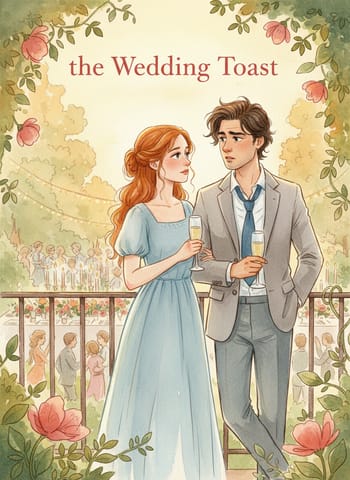
They ended up outside together anyway, the way exes at weddings always seem to, drawn out onto the same stretch of terrace by the same excuse of needing air. Neither of them had planned it. Had either one genuinely wanted to avoid the other, the venue was large enough to make that easy. Instead they had both, independently, chosen the one balcony with a view of the parking lot, which told her something she wasn't ready to examine directly.
انتهى بهما الأمر خارج القاعة معًا على أي حال، كما يحدث للحبيبين السابقين في الأعراس دائمًا، إذ انجذبا إلى امتداد الشرفة نفسه بذريعة الحاجة إلى الهواء. لم يخطط أيٌّ منهما لذلك. ولو أراد أحدهما فعلًا تجنب الآخر لكان المكان واسعًا بما يكفي ليجعل ذلك سهلًا. لكنهما اختارا معًا، كلٌّ على حدة، الشرفة الوحيدة المطلة على موقف السيارات، وهذا ما أخبرها بشيء لم تكن مستعدة لفحصه مباشرة.
"Good toast," she said, which was true and also the safest thing available to say.
«كلمة نخب جميلة»، قالت، وكان ذلك صحيحًا وأيضًا أأمن ما يمكن قوله.
"I rewrote it about four times." He didn't look at her when he said it, which she recognized, uncomfortably, as exactly the thing he used to do right before admitting something. "The first draft had a line in it about you. I took it out."
«أعدت كتابتها نحو أربع مرات.» لم ينظر إليها وهو يقول ذلك، وهو ما تعرفته، بانزعاج، على أنه بالضبط ما كان يفعله قبل أن يعترف بشيء. «كان في المسودة الأولى سطر عنكِ. حذفته.»
"Why?"
«لماذا؟»
"Because it wasn't really a toast to Theo and Jade at that point. It was just — something else, wearing a toast."
«لأنها لم تكن في تلك المرحلة نخبًا في الحقيقة لثيو وجايد. كانت فقط شيئًا آخر متنكرًا في هيئة نخب.»
What she wanted to say, standing there with a glass of champagne she had stopped drinking from ten minutes earlier, was that she'd have liked to hear it anyway, the wrong speech, the something-else. What she said instead was nothing, for long enough that the silence itself became the more honest answer of the two.
كان ما أرادت قوله، وهي واقفة هناك بكأس شمبانيا كفّت عن الشرب منه قبل عشر دقائق، أنها كانت ستحب أن تسمعها على أي حال، الكلمة غير المناسبة، الشيء الآخر. أما ما قالته فكان لا شيء، مدة كافية لأن يصبح الصمت نفسه الجواب الأصدق من بين الاثنين.
Rarely had two years of careful distance collapsed so quickly into four sentences on a balcony, and rarely had she felt less equipped to know what to do with the collapse. This wasn't a scene that resolved the way weddings liked to pretend everything eventually resolved — not into a reconciliation, not into a clean goodbye either. It was simply two people standing in the specific kind of proximity that neither grief nor romance fully explains. Each was aware that saying too much tonight would mean something neither of them could take back, on a night that belonged, properly, to someone else.
قلّما انهارت سنتان من المسافة المحسوبة بهذه السرعة في أربع جمل على شرفة، وقلّما شعرت بأنها أقل استعدادًا لمعرفة ما تفعله بذلك الانهيار. لم يكن هذا مشهدًا ينتهي كما تحب الأعراس أن تتظاهر بأن كل شيء ينتهي في النهاية، لا إلى مصالحة، ولا إلى وداع نظيف أيضًا. كان ببساطة شخصين يقفان في ذلك النوع المحدد من القرب الذي لا يفسره الحزن ولا الرومانسية تفسيرًا كاملًا. وكان كلاهما يدرك أن قول الكثير الليلة سيعني شيئًا لا يستطيع أيٌّ منهما التراجع عنه، في ليلة تعود، عن حق، إلى غيرهما.
"We should go back in," Dominic said eventually. "Jade's about to cut the cake."
«ينبغي أن نعود إلى الداخل»، قال دومينيك في النهاية. «جايد على وشك قطع الكعكة.»
"We should," Camila agreed, and didn't move for another moment before she did. Inside, she found her seat again, and did not look, for the rest of the night, to see whether he'd found his.
«ينبغي ذلك»، وافقت كاميلا، ولم تتحرك لحظة أخرى قبل أن تفعل. في الداخل وجدت مقعدها من جديد، ولم تنظر، لما تبقى من الليل، لترى هل وجد هو مقعده.