The Sensor Street
قصة إنجليزية مجانية بالمستوى C1 لمتعلمي اللغات، يمكن قراءتها على الإنترنت بلغات عددها 8، مع إمكانية الاستماع إليها عبر تطبيق Storyteller المجاني.
When a city pilot turns their lane into a street of sensors, the neighbours argue over privacy and convenience at a meeting that reveals who they all are.
انتهى المقطع التجريبي! استمع إلى القصة كاملة في تطبيق Storyteller المجاني. حمّل التطبيق
الصوت غير متاح الآن.
The notice arrives in every letterbox on the same Monday, printed on paper thick enough to suggest that someone at the council has been rewarded for it. Cranmore Lane, a hundred and forty metres of terraced houses, one bakery and one shuttered chemist, has been selected as the city's first "responsive street." Over the next quarter, the lampposts will be fitted with sensors that measure traffic, noise and footfall, and the data will, the notice promises, be "anonymised, aggregated and used to improve everyday life." Sten reads the last phrase twice. He has lived on the lane for nineteen years and cannot think of anything about everyday life that needs improving, except possibly the lamp outside number nine, which has flickered since spring.
يصل الإشعار إلى كل صندوق بريد في يوم الاثنين نفسه، مطبوعًا على ورق سميك بما يكفي ليوحي بأن أحدًا في المجلس البلدي كوفئ على اختياره. اختير زقاق كرانمور، وهو مئة وأربعون مترًا من البيوت المتلاصقة ومخبز واحد وصيدلية مغلقة بالأبواب الحديدية، ليكون أول «شارع مستجيب» في المدينة. وخلال الأشهر الثلاثة القادمة ستُزوَّد أعمدة الإنارة بحساسات تقيس حركة المرور والضجيج وعدد المارة، وستكون البيانات، كما يعد الإشعار، «مجهولة الهوية ومجمّعة ومستخدمة في تحسين الحياة اليومية». يقرأ ستن العبارة الأخيرة مرتين. يعيش في الزقاق منذ تسع عشرة سنة ولا يخطر له شيء في الحياة اليومية يحتاج إلى تحسين، إلا ربما المصباح الذي أمام المنزل رقم تسعة، وهو يومض منذ الربيع.
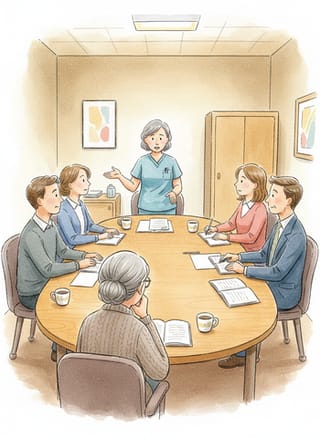
The residents' meeting takes place in the back room of the bakery, where the chairs have been borrowed from a church and nobody agrees on how to arrange them. Rita, who runs the lane's recycling rota with a tenderness bordering on cruelty, is first on her feet. "I want to know who owns the numbers," she says. "Not who collects them. Who owns them." A young man from the council, holding a tablet like a shield, replies that the data belongs to the public, and Rita says that this is precisely what she is afraid of.
يُعقد اجتماع السكان في الغرفة الخلفية للمخبز، حيث استُعيرت الكراسي من كنيسة ولا أحد متفق على طريقة ترتيبها. ريتا، التي تدير جدول إعادة التدوير في الزقاق بحنان يقارب القسوة، هي أول من يقف. «أريد أن أعرف من يملك الأرقام»، تقول. «لا من يجمعها. من يملكها.» فيرد شاب من المجلس، يمسك لوحًا إلكترونيًا كأنه درع، بأن البيانات ملك للعامة، فتقول ريتا إن هذا بالضبط ما تخشاه.
Mona speaks next, and the room, which has been murmuring, settles. She is eighty-one and lives alone at number nine. "Last February I fell on the ice at half past six in the morning," she says, "and I lay there for forty minutes, on a street I have lived on for fifty years. If a lamp had known I was there, I would have been very glad of a lamp that knew." Nobody answers at once, and in the silence Sten becomes aware of how many of his neighbours are studying their own hands.
تتكلم مونا بعدها، فتهدأ القاعة التي كانت تتهامس. هي في الحادية والثمانين وتعيش وحدها في المنزل رقم تسعة. «في فبراير الماضي سقطت على الجليد في السادسة والنصف صباحًا»، تقول، «وبقيت ممددة هناك أربعين دقيقة، في شارع أعيش فيه منذ خمسين سنة. لو كان مصباح يعلم بوجودي، لسررت جدًا بمصباح يعلم.» لا يجيب أحد على الفور، وفي الصمت يدرك ستن كم من جيرانه يتأملون أيديهم.
The argument that follows is less about sensors than about the street itself. The baker wants the footfall figures, quite openly, to show his landlord that the shop is busy. A couple with a baby want the noise readings to stay low, and the man who plays the trumpet at number twenty-two would prefer that they did not exist. Somebody asks whether the sensors can hear voices. The council man says no, a little too quickly, and then says he will find out, which is worse.
الجدال الذي يلي ليس عن الحساسات بقدر ما هو عن الزقاق نفسه. يريد الخباز أرقام المارة، بصراحة تامة، ليبين لمالك العقار أن المحل نشيط. ويريد زوجان لديهما رضيع أن تظل قراءات الضجيج منخفضة، ورجل يعزف البوق في المنزل رقم اثنين وعشرين يفضّل ألا توجد أصلًا. يسأل أحدهم هل تستطيع الحساسات سماع الأصوات. يقول رجل المجلس لا، بسرعة أكبر قليلًا مما ينبغي، ثم يقول إنه سيستعلم، وهذا أسوأ.
Sten, who came intending to object, discovers that he cannot say what he objects to. Having spent most of his working life as a surveyor, he knows exactly what it is to measure a place: the odd intimacy of it, the way figures flatten a house into a list. What troubles him is not that the lane will be counted but that it will be counted accurately, and that the count will become the version of the street that matters. If the sensors had arrived twenty years earlier, he thinks, they would have recorded a very different lane, one with children on the pavement until dark, and nobody would have thought to mourn the difference.
ستن، الذي جاء ينوي الاعتراض، يكتشف أنه لا يستطيع أن يقول ما الذي يعترض عليه. وقد أمضى معظم حياته المهنية مساحًا، فهو يعرف تمامًا معنى قياس مكان: الألفة الغريبة فيه، والطريقة التي تسطّح بها الأرقام بيتًا فتحوله إلى قائمة. ما يقلقه ليس أن الزقاق سيُعدّ بل أنه سيُعدّ بدقة، وأن الإحصاء سيصير النسخة المهمة من الشارع. لو وصلت الحساسات قبل عشرين سنة، يفكر، لسجلت زقاقًا مختلفًا جدًا، زقاقًا فيه أطفال على الرصيف حتى حلول الظلام، ولما فكر أحد في رثاء الفرق.
The vote is taken by a show of hands, which seems to him the most old-fashioned and therefore the most reassuring part of the evening. Eleven are in favour, nine against, four abstaining, Rita among them; she explains, scowling, that she wants the data to exist so that she can keep checking it. Sten abstains too, and is surprised by how much the gesture feels like a decision.
يُجرى التصويت برفع الأيدي، وهو في نظره أكثر أجزاء الأمسية انتماءً إلى الزمن القديم، ولذلك أكثرها طمأنة. أحد عشر مع، وتسعة ضد، وأربعة ممتنعون، ومنهم ريتا؛ وتشرح، وهي تعبس، أنها تريد أن تكون البيانات موجودة لتواصل التحقق منها. يمتنع ستن أيضًا، ويدهشه كم يبدو هذا التصرف قرارًا.
He walks home at ten, past the bakery's dark window, past the lamppost outside number nine, which the council man has already marked with a small yellow sticker. Rarely has he looked at one so carefully. It is an ordinary lamp, flickering a little, utterly indifferent. He stops beneath it, puts his hands in his pockets and stands perfectly still, curious to learn whether a street that is about to count him can tell, in the end, that he is there.
يمشي إلى البيت في العاشرة، مارًّا بنافذة المخبز المظلمة، وبعمود الإنارة أمام المنزل رقم تسعة، الذي وضع عليه رجل المجلس بالفعل ملصقًا أصفر صغيرًا. نادرًا ما تأمل عمود إنارة بهذه العناية. ليس سوى مصباح عادي يومض قليلًا، لا مبالٍ تمامًا. يتوقف تحته، ويضع يديه في جيبيه ويقف ساكنًا تمامًا، فضوليًا أن يعرف هل يستطيع شارع على وشك أن يعدّه أن يدرك، في النهاية، أنه هناك.