The Sand Trail to Berth Four
قصة إنجليزية مجانية بالمستوى B2 لمتعلمي اللغات، يمكن قراءتها على الإنترنت بلغات عددها 8، مع إمكانية الاستماع إليها عبر تطبيق Storyteller المجاني.
A ticket clerk and his colleague use a leaking bucket to find out who takes one ticket every night.
انتهى المقطع التجريبي! استمع إلى القصة كاملة في تطبيق Storyteller المجاني. حمّل التطبيق
الصوت غير متاح الآن.
The ticket office at Harbour Point is a wooden hut with one window facing the quay and one facing the water. Aksel has run it for six years. He knows the timetable by heart, the price of every crossing and the exact sound the cash drawer makes when it is closed properly. That is why the numbers bother him so much.
مكتب التذاكر في رأس الميناء كوخ خشبي له نافذة تطل على الرصيف ونافذة تطل على الماء. يديره أكسل منذ ست سنوات. يحفظ جدول الرحلات عن ظهر قلب، وسعر كل رحلة عبور، والصوت الدقيق الذي يصدره درج النقود حين يُغلق إغلاقًا صحيحًا. ولهذا تزعجه الأرقام إلى هذا الحد.
For three weeks, the last ferry of the evening, which leaves from berth four, has gone out with one more passenger than the tickets sold. The count at the gangway says thirty-seven. The till says thirty-six. And every morning, Aksel opens the cupboard where the spare ticket rolls are kept. One single ticket has been torn off the end of a roll, very cleanly, as if with a ruler.
منذ ثلاثة أسابيع، وآخر عبّارة في المساء، وهي التي تنطلق من المرسى الرابع، تغادر وعلى متنها راكب زائد عن عدد التذاكر المباعة. يشير العدّ عند الممشى إلى 37، ويشير الصندوق إلى 36. وفي كل صباح يفتح أكسل الخزانة التي تُحفظ فيها لفّات التذاكر الاحتياطية، فيجد أن تذكرة واحدة فقط قد مُزّقت من طرف إحدى اللفّات، بنظافة شديدة، كأنها قُطعت بمسطرة.
"It is not much money," Marit says on Tuesday, as she hangs her coat on the hook. She works the afternoon shift and keeps the books. "Seven pounds a night. Maybe a hundred and fifty so far."
«ليس مبلغًا كبيرًا»، تقول ماريت يوم الثلاثاء وهي تعلّق معطفها على الخطاف. تعمل في الوردية التي بعد الظهر وتمسك الدفاتر. «سبعة جنيهات في الليلة. ربما مئة وخمسون حتى الآن.»
"It is not the money," Aksel says. "Only two people have keys to this hut. One of them is me. And I know I have not been selling tickets to myself."
«المسألة ليست المال»، يقول أكسل. «لا يملك مفاتيح هذا الكوخ سوى اثنين. أحدهما أنا. وأنا أعرف أنني لا أبيع تذاكر لنفسي.»
"Then it is me?" Marit says, with a small laugh.
«إذًا هي أنا؟» تقول ماريت، بضحكة صغيرة.
"No. Which is exactly what bothers me." He rubs his forehead. "Somebody is getting in, taking one ticket and walking onto the ferry with a smile. And I cannot work out how."
«لا. وهذا بالضبط ما يزعجني.» يفرك جبهته. «شخص ما يدخل، ويأخذ تذكرة واحدة، ويصعد إلى العبّارة مبتسمًا. ولا أستطيع أن أعرف كيف.»
Marit puts down her pen. She has a way of going very still when she is thinking, like a cat at a mouse hole.
تضع ماريت قلمها. عادتها أن تسكن تمامًا حين تفكر، كقطة عند جحر فأر.
"Then we stop guessing and we catch the footprints," she says. "We do not need to sit up all night. We need to see who walks in."
«إذًا نكفّ عن التخمين ونمسك بآثار الأقدام»، تقول. «لا نحتاج إلى أن نسهر الليل كله. نحتاج إلى أن نرى من يدخل.»
They make their first plan that afternoon, between the departures. It is a simple plan. Marit buys a bag of white chalk dust from the hardware shop across the road. After the last crossing, she will spread a thin layer of it over the floor between the back door and the ticket cupboard. In the morning, whoever has been creeping around will have left a clear print of every step.
يضعان خطتهما الأولى بعد ظهر ذلك اليوم، بين الرحلات. إنها خطة بسيطة. تشتري ماريت كيسًا من غبار الطباشير الأبيض من متجر الأدوات على الجانب الآخر من الطريق. وبعد آخر رحلة عبور، ستنثر طبقة رقيقة منه على الأرض بين الباب الخلفي وخزانة التذاكر. وفي الصباح، سيكون كل من تسلل قد ترك أثرًا واضحًا لكل خطوة خطاها.
At half past nine, with the quay empty and the boats rocking quietly at their ropes, Marit carries out the plan. She sprinkles the dust with a kitchen sieve, in a smooth, even carpet, from the back door to the cupboard and under the window. Aksel watches from the doorway with his arms folded.
عند التاسعة والنصف، والرصيف خالٍ والقوارب تتأرجح بهدوء عند حبالها، تنفّذ ماريت الخطة. ترشّ الغبار بمصفاة مطبخ، في غطاء أملس متساوٍ، من الباب الخلفي إلى الخزانة وتحت النافذة. يراقب أكسل من عتبة الباب عاقدًا ذراعيه.
"It looks like a freshly made bed," he says.
«تبدو كسرير رُتّب للتوّ»، يقول.
"Do not step on it," Marit says. "Not even by accident."
«لا تطأه»، تقول ماريت. «ولا حتى بالمصادفة.»
They lock up at ten, and they walk home in opposite directions, pleased with themselves.
يغلقان الكوخ عند العاشرة، ويمشي كلٌّ منهما إلى بيته في اتجاه معاكس، وكلٌّ منهما راضٍ عن نفسه.
The plan collapses at seven the next morning. Aksel unlocks the hut, switches on the lamp and stops in the doorway. The floor is clean. It is not merely clean; it is shining. A faint smell of lemon hangs in the air, and in the corner, a mop is leaning against the wall with a bucket underneath it.
تنهار الخطة في السابعة من صباح اليوم التالي. يفتح أكسل الكوخ، ويضيء المصباح، ويتوقف عند العتبة. الأرض نظيفة. ليست نظيفة فحسب، بل لامعة. رائحة ليمون خفيفة تعبق في الهواء، وفي الزاوية ممسحة مسندة إلى الجدار وتحتها دلو.
"No," he says out loud.
«لا»، يقول بصوت عالٍ.
Marit arrives at eight. She takes one look at the floor and puts her hand over her eyes.
تصل ماريت في الثامنة. تلقي نظرة واحدة على الأرض وتضع يدها على عينيها.
"The night cleaner," she says. "Nobody told her about the chalk. She comes at midnight, and she has done the whole building."
«موظفة التنظيف الليلية»، تقول. «لم يخبرها أحد عن الطباشير. تأتي عند منتصف الليل، وقد نظفت المبنى كله.»
"So every footprint is gone," Aksel says. "And the ticket?"
«إذًا اختفت كل آثار الأقدام»، يقول أكسل. «والتذكرة؟»
He opens the cupboard. The roll has been torn again, as neatly as ever. Behind his back, Marit makes a small sound, somewhere between a groan and a laugh.
يفتح الخزانة. اللفّة مُزّقت من جديد، بنظافة كالمعتاد. وخلف ظهره، تصدر ماريت صوتًا صغيرًا، بين أنين وضحكة.
"Whoever it is," she says, "they have a better schedule than we do."
«أيًّا كان»، تقول، «فجدوله أفضل من جدولنا.»
All morning they argue about what to do next. Aksel wants to fix a camera above the door. But the camera would cost more than the stolen tickets and would take a week to arrive. Marit wants to tell the harbour manager. But the manager will certainly say that it is nothing, and he will ask why two adults are losing sleep over a handful of paper.
طوال الصباح يتجادلان حول ما يفعلانه بعد ذلك. يريد أكسل تركيب كاميرا فوق الباب. لكن الكاميرا ستكلف أكثر من التذاكر المسروقة وسيستغرق وصولها أسبوعًا. وتريد ماريت إخبار مدير الميناء. لكن المدير سيقول حتمًا إنه لا شيء، وسيسأل لماذا يفقد راشدان نومهما بسبب حفنة من الورق.
It is late in the afternoon when Aksel sees the bucket.
في وقت متأخر بعد الظهر يرى أكسل الدلو.
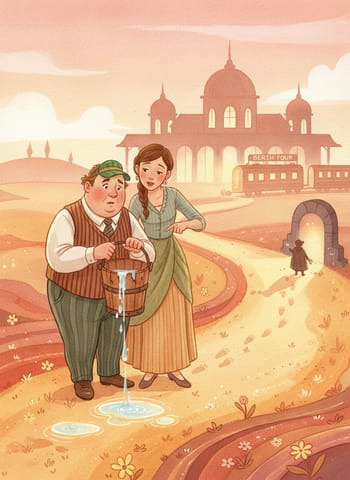
It hangs on a hook beside the back door, an old fire bucket, painted white and stamped with the word SAND. It was retired years ago because the bottom has rusted through. There is a hole in it about the size of a coin. Aksel takes it down and turns it over. A trickle of dust runs out through the hole, as thin and steady as water from a tap.
إنه معلّق على خطاف بجانب الباب الخلفي، دلو إطفاء قديم، مطلي بالأبيض ومختوم عليه كلمة «رمل». أُخرج من الخدمة منذ سنوات لأن قاعه صدئ وتآكل. وفيه ثقب بحجم قطعة نقدية تقريبًا. ينزله أكسل ويقلبه. فيتسرب خيط من الغبار عبر الثقب، رفيعًا ثابتًا كالماء من الصنبور.
He stands there for a long time, watching the dust fall onto the floor, and an idea arrives in his head.
يقف هناك طويلًا يراقب الغبار يتساقط على الأرض، وتخطر له فكرة.
"Marit," he says. "What would happen if we used this?"
«ماريت»، يقول. «ماذا سيحدث لو استخدمنا هذا؟»
"It has a hole in it," she says. "It is rubbish."
«فيه ثقب»، تقول. «إنه خردة.»
"Exactly. It is a hole that leaks slowly and evenly. I fill it and hang it on a string from the ceiling hook, right above the cupboard door. Then anyone who opens that door will knock it, and it will swing. A sand bucket that swings and leaks will draw a line on the floor." He draws an invisible circle in the air with his finger. "Not chalk. Real sand, heavy enough to hold a print. And this time nobody will be allowed to clean up after us."
«بالضبط. إنه ثقب يسرّب ببطء وبانتظام. أملؤه وأعلّقه بخيط من خطاف السقف، فوق باب الخزانة مباشرة. فكل من يفتح ذلك الباب سيصطدم به، فيتأرجح. ودلو رمل يتأرجح ويسرّب سيرسم خطًّا على الأرض.» يرسم دائرة غير مرئية في الهواء بإصبعه. «لا طباشير. رمل حقيقي، ثقيل بما يكفي لحفظ الأثر. وهذه المرة لن يُسمح لأحد بأن ينظف بعدنا.»
"She will mop it at midnight," Marit says.
«ستمسحه عند منتصف الليل»، تقول ماريت.
"Not if we ask her to skip the hut tonight," Aksel says. "We tell her the floor is being treated."
«ليس إن طلبنا منها أن تتخطى الكوخ الليلة»، يقول أكسل. «سنقول لها إن الأرض قيد المعالجة.»
Marit thinks about it. Then she smiles slowly.
تفكر ماريت في الأمر. ثم تبتسم ببطء.
"It is a terrible plan," she says. "Let us do it."
«إنها خطة سيئة جدًّا»، تقول. «لنفعلها.»
That evening they fill the bucket to the brim with sand from the old bin on the quay. Aksel climbs onto a chair and ties the handle to the ceiling hook with a length of fishing line. Then he sets the bucket swaying, just enough to test it. Sand spills in a pale curve across the floorboards and stops when the swinging stops. Marit ties the other end of the line to the cupboard door, so that the first person to open it will set the bucket moving.
في تلك الليلة يملآن الدلو حتى حافته برمل من الحاوية القديمة على الرصيف. يصعد أكسل على كرسي ويربط عروة الدلو بخطاف السقف بقطعة من خيط الصيد. ثم يجعل الدلو يتأرجح، بما يكفي لاختباره فقط. ينسكب الرمل في منحنى شاحب على ألواح الأرض ويتوقف حين يتوقف التأرجح. وتربط ماريت الطرف الآخر من الخيط بباب الخزانة، بحيث يحرّك الدلو أول من يفتحه.
They lock up at ten again, and this time Marit has a word with the night cleaner, who agrees to skip the hut. Then they go home.
يغلقان الكوخ عند العاشرة مرة أخرى، وهذه المرة تتحدث ماريت مع موظفة التنظيف الليلية، فتوافق على تخطي الكوخ. ثم يعودان إلى البيت.
At seven the next morning, Aksel unlocks the door very slowly.
في السابعة من صباح اليوم التالي، يفتح أكسل الباب ببطء شديد.
The bucket hangs motionless from the ceiling, almost empty. A broad arc of sand lies on the floor beneath it. In the middle of the arc, as clear as a signature, there is a footprint.
الدلو معلّق بلا حراك من السقف، شبه فارغ. قوس عريض من الرمل على الأرض تحته. وفي وسط القوس، واضحًا كالتوقيع، أثر قدم.
Marit comes in behind him and kneels down.
تدخل ماريت خلفه وتركع.
"It is bare," she says. "A bare foot. And it is wet."
«إنه أثر قدم حافية»، تقول. «ومبتلّة.»
There is a second print beside it, and then a third. The line of prints leads across the floorboards, from the window that faces the water, to the cupboard, and back again. Aksel follows them with his eyes to the windowsill. The glass is shut and locked from the inside. Under it, on the wooden ledge, lies a thin trail of seaweed.
بجانبه أثر ثانٍ، ثم ثالث. يمتد خط الآثار عبر ألواح الأرض، من النافذة التي تطل على الماء إلى الخزانة، ثم يعود. يتبعه أكسل بعينيه إلى عتبة النافذة. الزجاج مغلق ومقفل من الداخل. وتحته، على الحافة الخشبية، خيط رفيع من الأعشاب البحرية.
"That window has not been opened for years," he says.
«هذه النافذة لم تُفتح منذ سنوات»، يقول.
"Then they did not need to open it," Marit says quietly.
«إذًا لم يكونوا بحاجة إلى فتحها»، تقول ماريت بهدوء.
She bends lower over the last print, the one nearest the sill, and she goes quiet. Beside the print of the large foot, half hidden under the edge of the sand, there is another. It is much smaller. It is the print of a child's foot, and it is pointing in the opposite direction, towards the sea.
تنحني أكثر فوق آخر أثر، الأقرب إلى العتبة، وتصمت. وبجانب أثر القدم الكبيرة، نصف مخفي تحت حافة الرمل، أثر آخر. إنه أصغر بكثير. إنه أثر قدم طفل، ويتجه في الاتجاه المعاكس، نحو البحر.